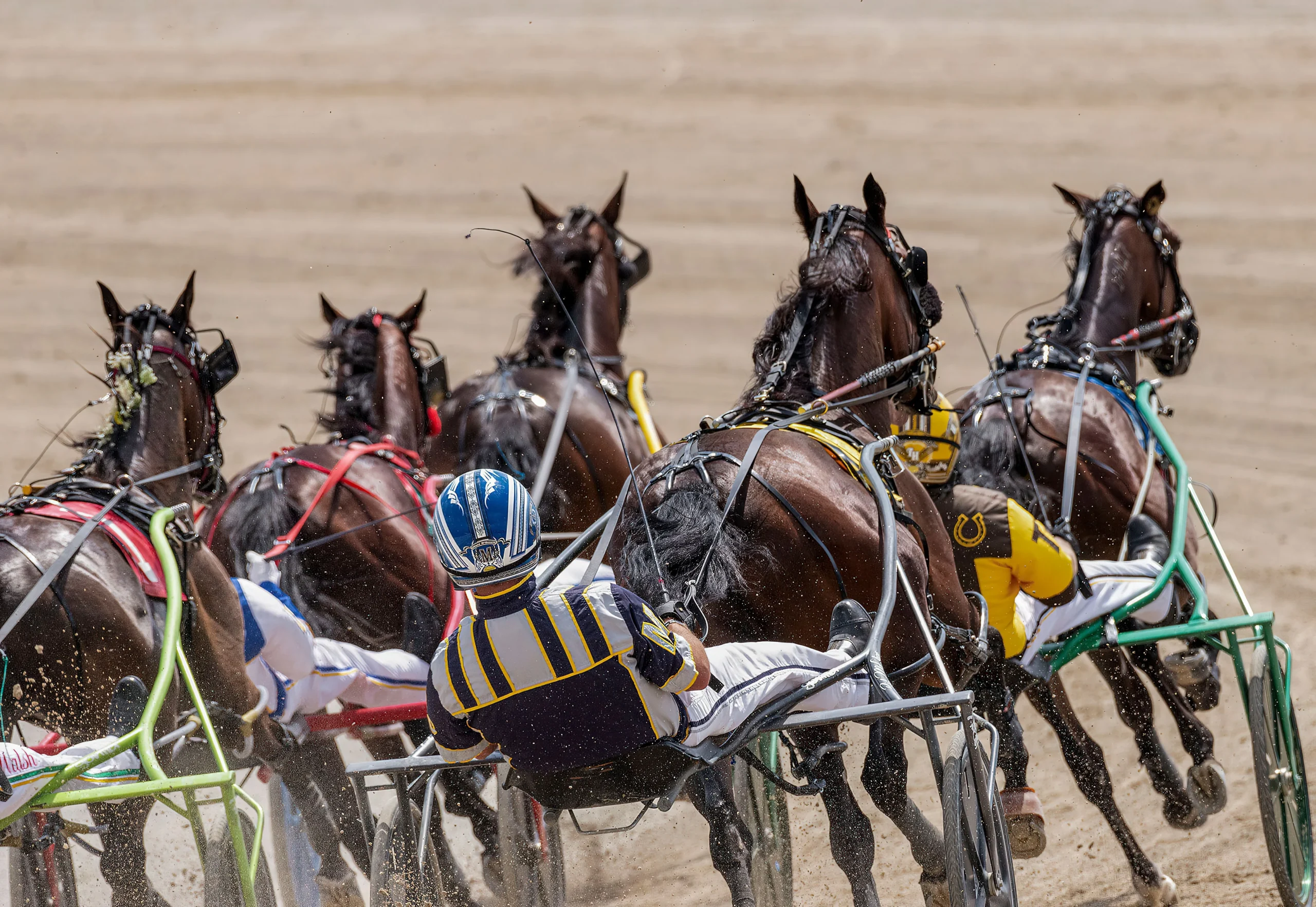
Racecards are an essential resource for horse racing enthusiasts who want to understand upcoming races and compare participating horses. They provide valuable information about runners, jockeys, trainers, race distances, weights, recent form, and betting odds. Whether you follow horse racing regularly or are just starting, learning how to read racecards can make the sport easier to understand.
Many racing fans search for today’s racecards to check upcoming competitions and review important horse statistics before a race begins. A detailed racecard brings all this information together in one place, helping readers understand the field and evaluate different competitors. This guide explains everything you need to know about horse racing cards and how to use them effectively.
What Are Racecards?
Racecards are detailed guides that provide information about horses scheduled to participate in upcoming horse racing events. They usually display the names of runners, their jockeys, trainers, assigned weights, previous performances, and other race-related details.
These cards are published through horse racing websites, mobile applications, newspapers, and official racecourse platforms. They help readers follow the racing schedule and understand the important characteristics of each horse before the competition starts.
What Information Do Horse Racing Racecards Include?
A standard horse racing racecard contains several important details about each participating runner. These details help readers compare horses and understand the conditions of an upcoming competition.
The information commonly includes:
- Horse name: The official name of the participating runner.
- Jockey name: The rider competing on the horse.
- Trainer: The professional responsible for preparing the horse.
- Horse age: The recorded age of the runner.
- Weight: The weight assigned to the horse for the race.
- Recent form: Previous finishing positions and performance history.
- Official rating: An assessment of the horse’s ability in relevant handicapping systems.
- Race distance: The total distance of the competition.
- Betting odds: The available market prices for participating horses.
- Draw number: The horse’s starting stall in races where draw positions apply.
Understanding these details makes it easier to follow race information without searching for separate statistics. It also provides a useful starting point for comparing different runners.
How to Find Today’s Racecards
Finding today’s racecards is simple when you use established horse racing information websites. Most racing platforms organize their information by date and racecourse, allowing visitors to find upcoming competitions quickly.
Follow these steps to access the latest racecards:
- Visit a trusted horse racing website.
- Open its racecards or today’s racing section.
- Select the current racing date.
- Choose your preferred racecourse.
- Open the race you want to explore.
- Review the runners, jockeys, trainers, and form figures.
- Check for any late changes or non-runners.
Always check the publication or update time because race declarations and other information can change before the event begins.
Free Racecards: Where Can You Find Them?
Many horse racing websites provide free racecards for people who want to follow upcoming competitions. These resources often include basic runner information, race times, jockey details, trainer names, and recent form figures.
Some platforms also offer additional statistics, performance ratings, and detailed analysis through paid subscriptions. Beginners can start with free racecards and gradually explore advanced features when they become more familiar with horse racing terminology.
How to Read Racecards for Beginners
Reading a racecard becomes easier when you understand its layout and the meaning of its different sections. Start by checking the racecourse, scheduled time, distance, and race type before examining individual horses.
Next, review each runner’s recent form, weight, jockey, and trainer information. Comparing these details can help you understand the competition and identify differences between the participating horses.
Understanding Horse Racing Form Figures
Form figures provide a summary of a horse’s previous race performances. They are usually displayed as numbers or letters that represent finishing positions and specific race outcomes.
For example, a sequence such as 2-1-4-3 generally indicates second place, first place, fourth place, and third place. On many British racecards, the latest performance appears on the right, although readers should always check the platform’s display convention.
Common Racecard Form Symbols
| Symbol | Meaning |
|---|---|
| 1 | First place |
| 2 | Second place |
| 3 | Third place |
| 4–9 | Other finishing positions |
| 0 | Finished outside the first nine |
| P | Pulled up |
| F | Fell |
| U | Unseated rider |
| R | Refused to race |
| BD | Brought down |
These symbols provide a quick overview of previous performances, but they do not explain every circumstance of a race. Checking the complete race history can provide additional context.
Why Are Jockey and Trainer Details Important?
Jockey and trainer information helps readers understand who is involved in preparing and riding each horse. Experienced jockeys may have useful records at particular racecourses, while trainers may specialize in certain types of races or distances.
However, past success does not guarantee future performance. It is better to consider jockey and trainer statistics alongside the horse’s recent form, race conditions, and competition level.
Understanding Horse Weight on Racecards
It refers to the amount of weight a horse is required to carry during the race under the applicable racing rules.
A horse carrying additional weight may face a different challenge, but weight alone cannot determine which runner will perform best.
What Does Official Rating Mean?
Official Rating, commonly abbreviated as OR, represents an assessment of a horse’s racing ability within a handicapping system.
A higher official rating generally indicates a horse assessed as having greater ability. However, ratings should be interpreted alongside recent performances, race conditions, and the quality of the opposition.
Understanding Race Distance and Going
Race distance describes how far horses must travel to complete a competition. Some horses are better suited to shorter sprint races, while others have the stamina required for longer distances.
Going refers to the condition of the racing surface, particularly on turf tracks. Common descriptions include firm, good, good to soft, soft, and heavy, and these conditions can influence how individual horses perform.
What Are Betting Odds on Racecards?
Betting odds show the available prices for horses in a particular race. They provide an indication of how the betting market values each runner’s chances relative to the competition.
Odds can change as market activity develops and new information becomes available. Shorter odds do not guarantee victory, and longer odds do not automatically mean a horse has no chance of winning.
Different Types of Horse Racing Racecards
Racecards are available for different racing formats, and the information can vary depending on the competition. Understanding the race type helps readers identify which performance factors are most relevant.
1. Flat Racing Racecards
Flat racing takes place on a level track without jumping obstacles. These racecards usually include horse age, weight, draw position, jockey, trainer, and previous performance information.
Distance and starting position can be particularly important when comparing runners. Some horses perform well over short sprint distances, while others are better suited to longer races.
2. National Hunt Racecards
National Hunt racing includes hurdle races and steeplechases, where horses must jump obstacles during the competition. These racecards often provide information about jumping ability, stamina, and previous performances over obstacles.
Readers should consider whether a horse has experience with the relevant type of race. Ground conditions and race distance can also influence the demands of these competitions.
3. All-Weather Racecards
All-weather racing takes place on specially prepared synthetic surfaces rather than traditional turf. These races offer another type of competition where surface suitability can be an important consideration.
When reviewing all-weather racecards, examine whether a horse has previously performed well on similar surfaces. Results on turf do not always translate directly to synthetic tracks.
How to Compare Horses Using Racecards
Comparing horses requires more than looking at their most recent finishing positions. Readers should consider race distance, ground conditions, official ratings, weight, and the quality of previous competition.
For example, imagine two horses entering a one-mile race. Horse A recently won over the same distance on similar ground, while Horse B has mainly competed over shorter distances. Horse A has more directly comparable recent form, although the final result remains uncertain.
What Are Non-Runners in Racecards?
A non-runner is a horse that was originally entered or declared for a race but will not participate. Withdrawals can happen because of veterinary issues, unsuitable ground conditions, or other circumstances.
Checking non-runner updates is important because the confirmed field may change before the race begins. Updated racecards help readers avoid relying on information about horses that are no longer competing.
Best Websites to Check Racecards Online
Several established platforms publish racecards and other useful horse racing information. They allow readers to check upcoming events, review previous performances, and explore race-related statistics.
Some useful sources include:
- Racing Post: Offers racecards, horse profiles, form guides, and racing news.
- Timeform: Provides racecards, performance ratings, and detailed racing analysis.
- The Jockey Club: Publishes racecourse information, fixtures, and racing resources.
- British Horseracing Authority: Provides official information about British horse racing and racing regulations.
- Official racecourse websites: Share local schedules, race information, and event updates.
Some websites provide free information, while advanced statistics and premium analysis may require payment or registration.
Common Mistakes to Avoid When Reading Racecards
Beginners sometimes focus on a single statistic without considering the wider racing conditions. A more complete approach involves reviewing the horse, its previous performances, and the requirements of the upcoming race.
Here are some mistakes worth avoiding:
- Ignoring the race distance when comparing previous results.
- Overlooking going conditions and surface suitability.
- Misunderstanding the direction of form figures.
- Forgetting to check non-runner announcements.
- Assuming shorter betting odds guarantee a victory.
- Comparing official ratings without understanding the race type.
- Using outdated racecards instead of the latest available information.
Avoiding these mistakes can make racecard information easier to understand and interpret.
Benefits of Checking Racecards Before a Race
Checking racecards before a competition provides a clearer picture of the horses involved. Readers can examine previous performances, compare jockeys and trainers, and understand the conditions under which the race will take place.
Racecards are also useful for beginners who want to learn more about horse racing. With regular practice, readers can become familiar with racing terminology and develop a better understanding of how different factors influence a competition.
Frequently Asked Questions (FAQs)
1. What are racecards in horse racing?
Racecards are detailed guides containing information about horses participating in upcoming races. They usually include horse names, jockeys, trainers, weights, recent form, and race conditions.
2. Where can I find today’s racecards?
Today’s racecards are available through established horse racing websites, mobile applications, and official racecourse platforms. You can select a date and racecourse to find the relevant competitions.
3. Are free racecards available online?
Yes, many horse racing websites provide free racecards with basic information about runners and races. Some advanced statistics, ratings, and expert analysis may require a subscription.
4. What does OR mean on a racecard?
OR stands for Official Rating. It is an assessment of a horse’s ability used in handicapping systems to help determine the weight assigned to a runner.
5. What does form mean in horse racing?
Form describes a horse’s previous racing performances. It is commonly displayed through numbers and symbols that represent finishing positions and other race outcomes.
6. What does going mean on a racecard?
Going describes the condition of the racing surface. Common descriptions include firm, good, good to soft, soft, and heavy.
7. What is the difference between racecards and race results?
Racecards provide information about horses scheduled to compete in upcoming races. Race results show the official finishing positions and outcomes after a competition has finished.
8. Can racecards help identify potential winners?
Racecards provide useful statistics for comparing horses, but they cannot guarantee winning predictions. Previous form, race distance, ground conditions, and other factors can help with analysis.
9. What is a non-runner in horse racing?
A non-runner is a horse that was originally scheduled to compete but has been withdrawn. The reason may involve health concerns, unsuitable conditions, or other circumstances.
10. Are horse racing racecards updated regularly?
Yes, racecards may be updated when there are changes to declarations, jockey bookings, non-runner status, or racing conditions. Readers should check the latest version before an event.
Conclusion
Racecards are an important resource for anyone interested in horse racing because they provide essential information about runners, jockeys, trainers, weights, form figures, and race conditions. Understanding these details makes it easier to follow upcoming competitions and compare participating horses.
Whether you are a beginner or an experienced racing enthusiast, learning how to read racecards can improve your knowledge of the sport. By using reliable websites and checking updated information, you can make better-informed assessments while remembering that no racing statistic guarantees a particular result.